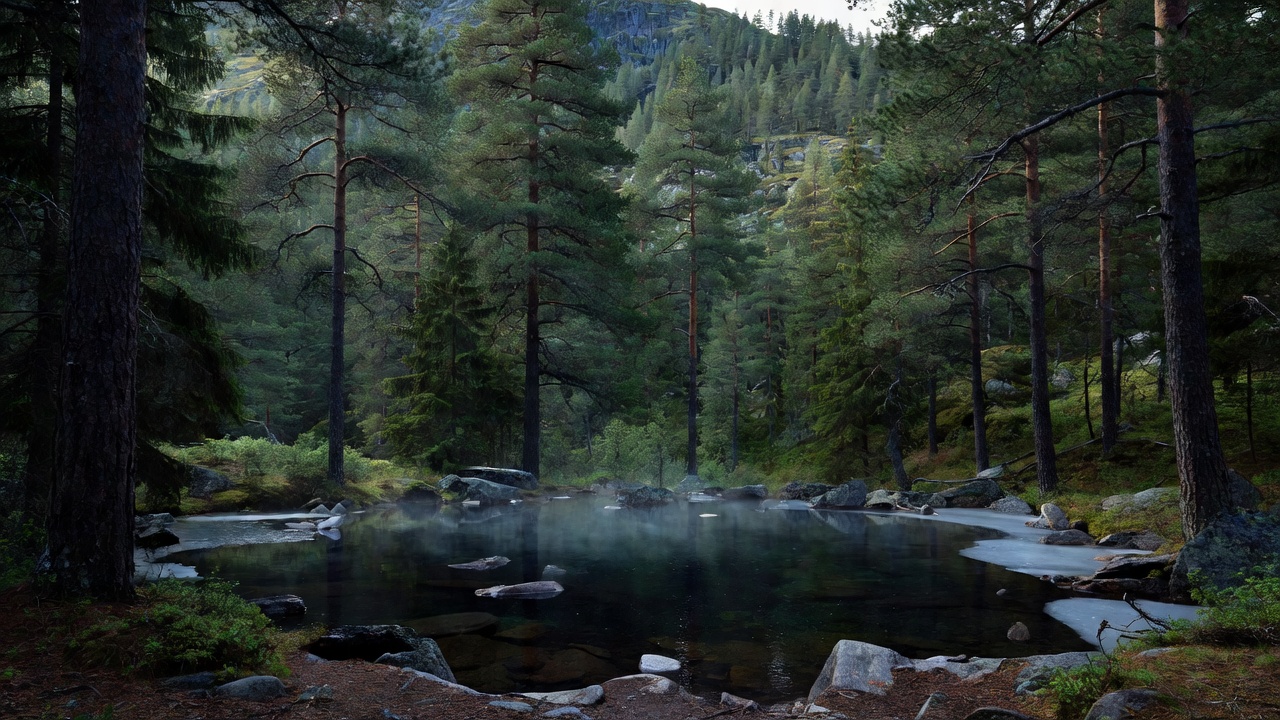
The Endocrine Response to Avanto (Ice Hole Bathing)
In Estonia and Finland, jumping through a carved ice hole (*avanto*) is not a viral social media stunt; it is a clinical tradition practiced for over a millennium. Sudden cold exposure causes cutaneous vasoconstriction, shunting blood to vital internal organs and activating the locus coeruleus region in the brain stem.
Cold Shock Proteins (RBM3) and Synaptic Protection
Recent neurobiological studies indicate that mild hypothermic stress prompts the liver and brain to synthesize RNA-binding motif protein 3 (RBM3). This specialized chaperone protein prevents structural synapse loss and accelerates neuro-muscular regeneration following physical exertion.
"The magic happens in the breath. When the icy shock hits your chest, do not gasp—exhale slowly through the nose. Within 20 seconds, the stinging cold transforms into an intoxicating electric warmth."
Building an Off-Grid Gravity-Fed Spring Flume
If your cabin plot has a natural uphill artesian spring, you can eliminate mechanical electric chillers entirely. By diverting a 1-inch HDPE conduit through shaded forest loam into an insulated cedar tub with a bottom overflow weir, water stays perpetually fresh and cold (4°C–8°C) year-round at zero operating cost.
- Larch Flume Channel: Untreated Siberian larch contains high natural oleoresin, preventing rot in standing cold water.
- Aeration Cascade: Splashing over river rocks enriches the plunge water with dissolved oxygen.
- Safety Exit Benches: Submerged non-slip larch steps ensure bathers can exit steadily despite temporary motor numbness.